

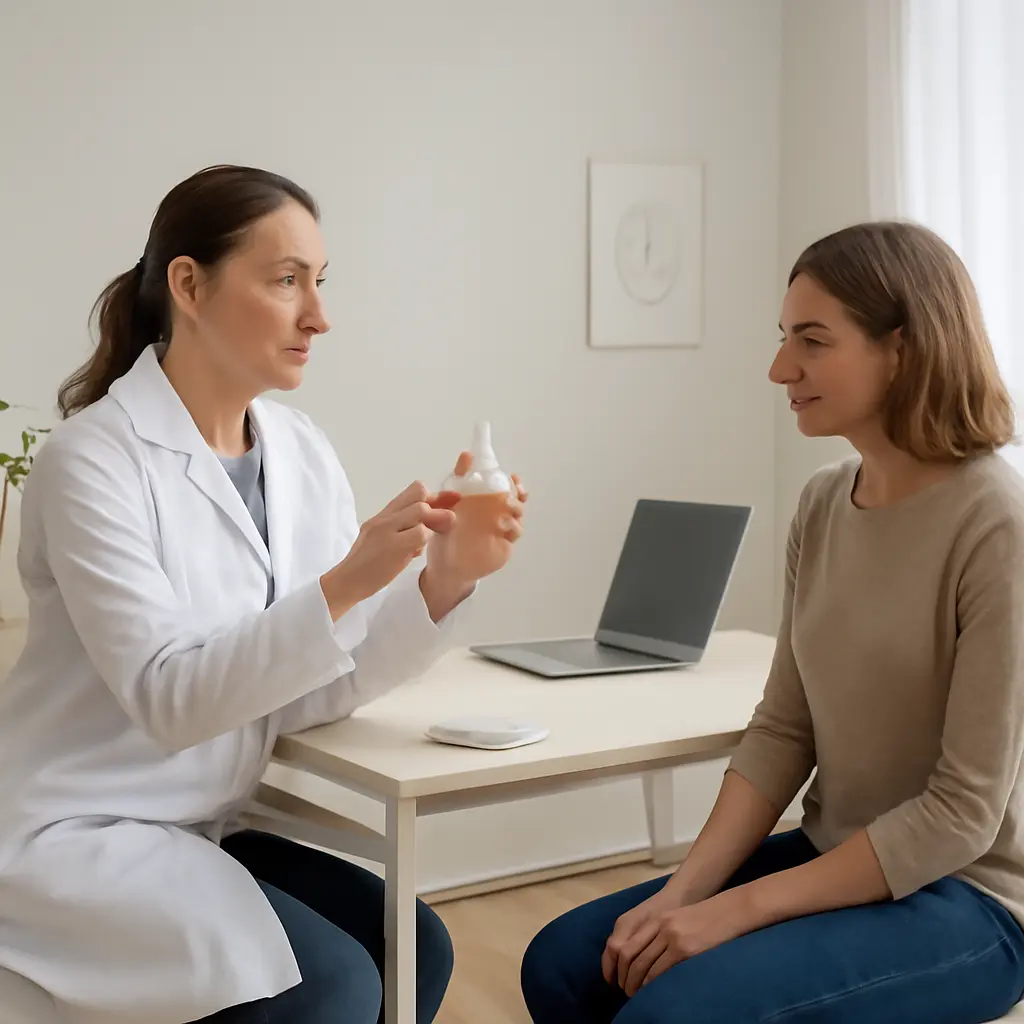
Uneven complexions can reflect sun damage, post-acne marks, melasma, or changes in skin texture, and gentle resurfacing aims to improve some of these concerns by encouraging the removal of dead surface cells. It can be worth considering when the method suits the cause of the discoloration and the person’s skin, but it is not a universal fix: evidence for ingredients such as retinoids and exfoliating acids is stronger than evidence for many at-home devices, and irritation can make pigmentation worse, particularly in darker skin tones. Understanding what resurfacing means, how its main forms differ, what results to expect, and how to reduce risks helps put the hype in perspective.
What gentle resurfacing means for uneven complexions
“Gentle resurfacing” is a broad skincare term, not a standardized medical diagnosis or a single treatment. It generally describes approaches that encourage shedding or renewal in the outer skin layers while aiming to limit irritation and downtime. Dermatologists distinguish these approaches by how they work: topical exfoliants loosen connections between surface cells, retinoids influence skin-cell turnover, and professional peels use chemical solutions at controlled strengths. The American Academy of Dermatology (AAD) describes chemical peels as treatments that remove layers of skin to reveal smoother skin underneath, while emphasizing that peel depth affects both results and recovery.
The term “uneven complexion” also covers different conditions. Flat brown marks left after acne are not the same as melasma, freckles, redness, or raised scars. A treatment that helps one may do little for another. That distinction matters because inflammation itself can trigger post-inflammatory hyperpigmentation (PIH), especially in people with more deeply pigmented skin. The AAD notes that PIH may take months or longer to fade, and that treating the underlying cause and preventing further irritation are central to care.
What counts as a gentle treatment?
“Gentle” is relative: it depends on the active ingredient, concentration, frequency, formulation, and individual skin sensitivity. Common examples include low-strength alpha hydroxy acids (AHAs), such as lactic or glycolic acid; beta hydroxy acid (BHA), usually salicylic acid; and topical retinoids introduced gradually. These are not interchangeable. Salicylic acid is oil-soluble and can be useful for clogged pores, while AHAs primarily exfoliate the skin’s surface. Retinoids are vitamin A derivatives that influence cell behavior and are used for acne and signs of photoaging, but they can cause dryness and irritation.
Why the cause of uneven tone matters
A brown mark after a pimple may be PIH; a symmetrical pattern on the cheeks or forehead may suggest melasma; and rough, mottled areas may reflect cumulative ultraviolet (UV) exposure. Resurfacing cannot reliably diagnose these patterns, and persistent, changing, or unexplained spots warrant assessment by a clinician. For melasma and other pigment disorders, sun protection and targeted medical treatment are often more important than exfoliation alone. The AAD advises daily broad-spectrum sunscreen with SPF 30 or higher as part of managing dark spots.
How gentle resurfacing approaches differ
The main categories range from home skincare to clinic-based procedures. Their shared aim may be a smoother-looking surface or more even tone, but the strength, predictability, and risk profile vary. A useful rule is that a more intensive procedure is not automatically a better choice: the diagnosis, skin tone, history of sensitivity, and ability to follow aftercare all affect whether treatment is appropriate.
Topical exfoliating acids
AHAs and BHAs can loosen dead surface cells and improve roughness or mild discoloration over time. The U.S. Food and Drug Administration (FDA) has warned that cosmetic products containing AHAs may increase the skin’s sensitivity to sunlight during use and for up to a week afterward, making sun protection important. Consumer products vary widely in strength and pH, so the ingredient name alone does not predict how irritating a product will be. Start with one product at a low frequency, follow its label, and stop if burning, swelling, or persistent redness develops.
Retinoids and gradual cell renewal
Retinoids are used for acne and photoaging and may gradually improve some uneven texture and discoloration as part of a broader treatment plan. Prescription tretinoin and over-the-counter retinol differ in strength and regulation; neither should be treated as an instant resurfacing solution. Irritation is common when use begins or increases too quickly. The AAD recommends discussing retinoids with a dermatologist, particularly for people with sensitive skin or pigment concerns. Retinoids should generally be avoided during pregnancy; anyone pregnant, trying to conceive, or breastfeeding should ask a healthcare professional for individualized advice.
Professional chemical peels
A chemical peel applies a solution to remove a controlled amount of surface skin. Superficial peels typically involve less downtime than medium or deep peels, but outcomes depend on the condition being treated and the provider’s technique. The AAD cautions that peels can cause temporary redness, scaling, or changes in skin color, and that darker skin tones require careful selection and experienced supervision to reduce the chance of unwanted pigment changes. A clinician should review medical history, medications, skin type, and expected recovery before treatment.
At-home devices and abrasive methods
Scrubs, rotating brushes, and home microneedling tools are sometimes marketed as resurfacing options, but evidence and safety vary. Physical abrasion may temporarily smooth flaky skin, yet vigorous rubbing can damage the skin barrier and aggravate acne, eczema, rosacea, or PIH. The FDA has warned that microneedling devices can cause infection, scarring, and pigment changes, and that device authorization and intended use matter. Home users should not assume that a tool marketed for cosmetic use has the same safety profile as a clinician-performed procedure.
What the evidence says about benefits and limits
Gentle resurfacing may improve mild roughness, clogged pores, and some forms of superficial discoloration when used consistently and appropriately. It is less likely to resolve deep or persistent pigment on its own, and it cannot remove the need to address the underlying cause. Clinical studies often examine a specific ingredient, formulation, or procedure in a defined group; their findings should not be generalized to every product labeled “gentle” or “resurfacing.”
For acne-related marks, controlling active acne can help prevent new spots while existing marks fade. For sun-related uneven tone, daily sunscreen helps prevent further UV-driven darkening. For melasma, treatment often combines sun protection with clinician-guided topical therapies; resurfacing may be considered selectively, not as a standalone cure. There is no single dependable statistic for how much “gentle resurfacing” improves uneven complexions because the phrase encompasses many different methods and diagnoses.
Realistic timelines and visible results
Skin changes generally require repeated, consistent care rather than a single application. AAD guidance on acne treatment notes that improvement can take several weeks, and a similar gradual mindset is sensible for topical pigment and texture routines. The exact timeline depends on the cause, product, and skin response. A short-lived glow after exfoliation may reflect smoother surface flakes, not lasting correction of deeper discoloration.
When treatment can backfire
Over-exfoliation can disrupt the skin barrier, leading to tightness, stinging, redness, peeling, or breakouts. Inflammation may then produce additional PIH, creating the opposite of the desired result. Combining several acids, retinoids, scrubs, and procedures without professional guidance increases the chance of irritation. If a product causes persistent burning or worsening discoloration, stop using it and seek medical advice rather than trying to “push through.”
How to approach resurfacing more safely
A cautious routine prioritizes diagnosis, barrier care, and UV protection over intensity. The AAD recommends broad-spectrum SPF 30 or higher; for pigment concerns, tinted sunscreen containing iron oxides may also help protect against visible light. Sunscreen should be applied as directed and reapplied during extended outdoor exposure. A simple moisturizer and gentle cleanser can support the skin barrier while a treatment is introduced.
- Identify the likely concern—such as acne marks, melasma, roughness, or redness—before choosing a treatment.
- Introduce one active product at a time, using it less often at first and following the label or clinician’s instructions.
- Use daily sun protection and avoid stacking multiple exfoliating products or procedures.
- Seek a dermatologist’s advice for persistent, widespread, changing, painful, or uncertain lesions, or if irritation worsens pigmentation.
People with a history of eczema, rosacea, allergic reactions, keloid scarring, or pigment changes after irritation should discuss resurfacing with a clinician before starting. The same applies before a professional peel or device-based procedure, especially when taking prescription medication or preparing for an event that leaves little time for recovery.
Conclusion: Is gentle resurfacing worth the hype?
Gentle resurfacing can be useful for selected cases of uneven texture and superficial discoloration, but the label is not a guarantee of safety or effectiveness. Topical acids, retinoids, professional peels, and at-home devices differ substantially, and the right choice depends on the cause of the uneven complexion and the person’s skin. For many pigment concerns, consistent sunscreen and treatment of the underlying condition matter as much as—or more than—exfoliation.
The practical takeaway is to favor gradual, evidence-informed care over aggressive routines. Start with a clear understanding of the skin concern, introduce one approach at a time, and consult a dermatologist when discoloration persists or the diagnosis is uncertain. Further reading from the American Academy of Dermatology and FDA can help consumers evaluate treatment claims and safety warnings.
Sources: American Academy of Dermatology, Chemical Peels: FAQs, https://www.aad.org/public/cosmetic/younger-looking/chemical-peels-faqs; American Academy of Dermatology, How to Fade Dark Spots in Skin of Color, https://www.aad.org/public/everyday-care/skin-care-secrets/routine/fade-dark-spots; American Academy of Dermatology, Retinoid or Retinol?, https://www.aad.org/public/everyday-care/skin-care-secrets/anti-aging/retinoid-retinol; U.S. Food and Drug Administration, Alpha Hydroxy Acids, https://www.fda.gov/cosmetics/cosmetic-ingredients/alpha-hydroxy-acids; U.S. Food and Drug Administration, Microneedling Devices: Getting to the Point on Benefits, Risks and Safety, https://www.fda.gov/consumers/consumer-updates/microneedling-devices-getting-point-benefits-risks-and-safety